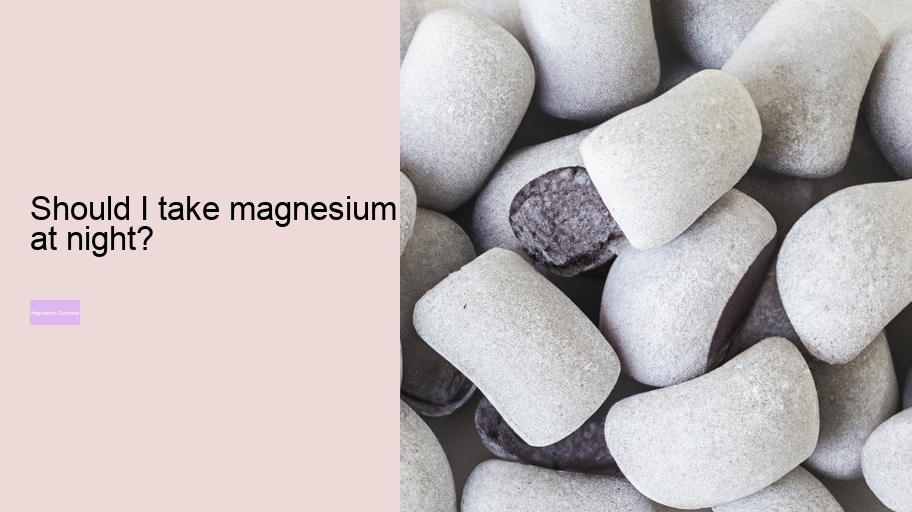
From tropical fruits to classic berry flavors, there's likely a gummy out there that'll make your taste buds happy. They don't require water for consumption, and their chewable form makes them easier to take. diet They're easy to carry in a bag or keep in a desk drawer, making it simple to take your supplements on the go. reference daily intake When it comes to dosing, more isn't always better. However, dosages for children are different from those for adults, so it's crucial to consult a healthcare professional for advice. This means the quality and efficacy of different brands can vary. enough magnesium Studies have explored everything from the bioavailability of different forms of magnesium to its potential role in treating specific health conditions. Always buy from reputable sellers or directly from the manufacturer's website to ensure you're getting a genuine product.
This can vary depending on the individual and the reason for supplementation. Overdosing on magnesium can lead to a variety of health issues, including digestive distress and irregular heartbeat. Magnesium gummies, like all supplements, are subject to regulation, but the degree can vary by country.
Should I take magnesium at night? - research
- vegan
- enough magnesium
- hypomagnesemia
- magnesium citrate
- research
- reference daily intake
- constipation
- diet
Should I take magnesium at night? - diet
- vegan
- enough magnesium
- hypomagnesemia
As people become more engaged with their wellness journey, the role of supplements like these continues to grow. magnesium citrate Magnesium can also play a role in mood regulation. Foods rich in magnesium include leafy greens, nuts, and whole grains. For those who have difficulty swallowing pills, gummies offer a welcome alternative. For example, Vitamin D can enhance the absorption of magnesium, offering an example of how thoughtful supplement pairing can be beneficial. constipation While magnesium gummies offer a convenient and enjoyable way to supplement your diet, they are not a substitute for a balanced diet rich in whole foods. Terms like "bioavailable" or "high absorption" often appear on packaging, but they essentially refer to how easily the body can absorb the magnesium. low levels
You can now find gummies that cater to specific needs, such as those designed for sleep, stress relief, or athletic performance. Some studies suggest that magnesium can help regulate melatonin, the hormone responsible for sleep. Magnesium gummies can be a helpful supplement for pregnant women, as magnesium plays a role in fetal development. Whether you're vegan, gluten-free, or looking for organic options, there's likely a magnesium gummy out there for you. Think of them as a tool in your broader wellness toolkit. vegan Prioritize quality, transparency, and third-party testing when making your choice. However, it's always a good idea to start with a lower dose and consult a healthcare professional for personalized guidance.
Should I take magnesium at night? - hypomagnesemia
- vegan
- enough magnesium
- hypomagnesemia
- magnesium citrate
- research
- reference daily intake